Custom Lapel Pins: How to Design Them for Business, Clubs and Promotions
This guide breaks down how to design custom lapel pins for businesses, clubs, and promotions so they look sharp, produce cleanly, and get worn.
What should they decide before designing custom lapel pins?
They should start with the purpose: recognition, branding, fundraising, event access, or merchandise. That single decision shapes every design choice, from size to finish.
They should also define who will wear them and where. A corporate pin for a blazer needs different choices than a club pin for a backpack or a promo pin handed out at a conference.
How do they choose the right size and shape?
They should keep most custom lapel pins between 0.75″ and 1.25″ for everyday wear. Smaller sizes feel subtle and premium. Larger sizes give more room for detail but can look loud on formal clothing.
They should pick a shape that supports the message. A clean circle, shield, or simple silhouette usually produces better than a complex outline with thin protruding parts that can bend or lose definition.
What artwork makes custom lapel pins look professional?
They should design in vector format (AI, EPS, or SVG) with solid shapes and clear lines. Tiny text and hairline strokes often fill in during production, especially on small pins.
They should simplify the idea into a bold icon first, then add detail only if it survives at actual pin size. A strong design for custom lapel pins is readable from arm’s length, not just on a screen zoomed in.
Which materials and finishes should they pick?
They should choose a base metal color that matches the brand and the vibe: gold for warm, premium looks; silver or nickel for modern and neutral; black metal for high contrast.
They should select a finish that fits the use-case. Polished looks formal, matte feels modern, and antique finishes add depth that hides scratches. The right finish can make custom lapel pins feel like a keepsake rather than swag.
Should they use soft enamel, hard enamel, or printed pins?
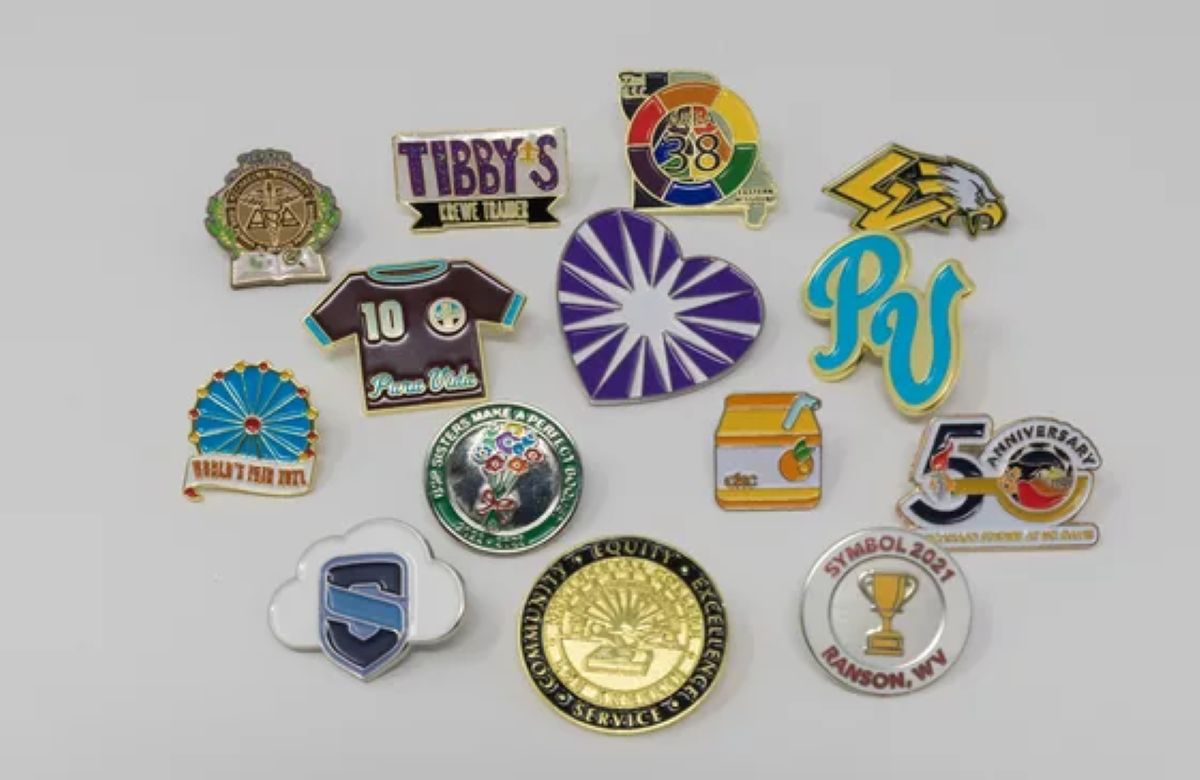
They should use soft enamel when they want texture, lower cost, and bold color blocks. The recessed enamel and raised metal lines give a classic pin look and are common for custom lapel pins made for teams and promos.
They should choose hard enamel when they want a smooth, jewelry-like surface. Printed pins work best for gradients, photos, or tiny detail, but they can feel less “premium” unless paired with a strong finish and good coating.
How do they choose colors that manufacture cleanly?
They should limit the palette to 3–5 colors when possible. Fewer colors usually means cleaner fills, fewer opportunities for misregistration, and lower cost.
They should also avoid extremely light colors on shiny metal if readability matters. High contrast matters in custom lapel pins, especially when the pin is small and viewed quickly.
What details should they avoid to prevent production issues?
They should avoid tiny text, thin borders, and tight gaps between lines. If the design needs text, they should use short words, thicker fonts, and a larger pin size to protect legibility.
They should also avoid relying on fine gradients unless they choose printing. Most classic custom lapel pins look best with simple shapes, bold fills, and strong outlines.
How can businesses design custom lapel pins that employees actually wear?
They should keep the design minimal and brand-forward: a simplified logo, monogram, icon, or short motto. Overly promotional designs feel like ads, and people wear them less.
They can also create tiers, such as years-of-service or achievement levels, so employees feel proud to collect them. In business settings, custom lapel pins work best when they look like part of a uniform, not a giveaway. Read more about Restriction on purchase of promotional materials.
How can clubs design pins that build identity and belonging?
They should design around symbols members recognize instantly: mascots, inside jokes, local references, or club mottos. A club pin should feel like a badge of membership, not generic branding.
They can release seasonal or limited editions to drive collecting and attendance. Clubs often succeed with custom lapel pins when each design tells a story tied to events, ranks, or milestones.
How can promotions and events use lapel pins without feeling like cheap swag?
They should connect the design to a moment: a launch date, conference theme, city, or campaign. A pin becomes “worth keeping” when it commemorates something specific.
They should also upgrade one element, even on a budget: a good backer card, a premium finish, or a simple numbered run. For promotions, custom lapel pins win when they feel intentional and limited, not mass-produced.
What backing options should they choose for comfort and security?
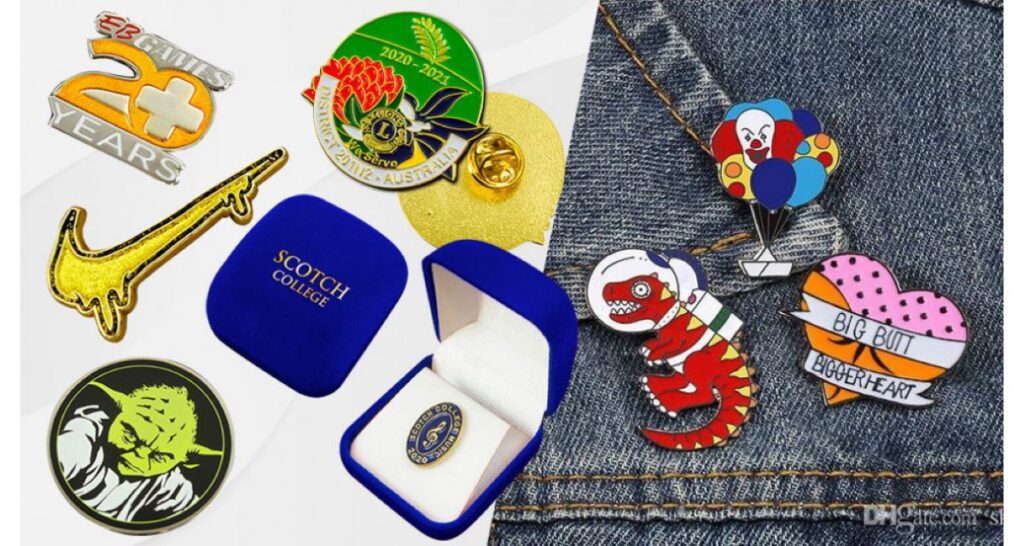
They should choose a butterfly clutch for standard wear and low cost. For higher security, they should use rubber clutches, locking backs, or safety pin backs depending on where it will be worn.
If they expect active use, they should lean toward locking backs to prevent loss. A great design for custom lapel pins is wasted if the backing fails and the pin disappears.
What should they include in a production-ready order?
They should provide vector art, target size, metal color, enamel type, finish, and backing choice. They should also confirm quantity, timeline, packaging, and whether they want an epoxy dome for extra protection.
They should always request a digital proof and check it at real size. Approving the proof carefully is one of the easiest ways to ensure custom lapel pins arrive looking like the original idea.
More to Read : What Are Custom Challenge Coins and Why Do Organisations Keep Ordering Them?